
How Long Do Boilers Last? 7 Signs It May Be Time to Replace Your Boiler
A boiler is a long-term investment in your home’s comfort, so it’s natural to wonder how many years you can expect it to last. Many residential boilers can provide 15 to 20 years of reliable service or longer, while some well-maintained cast iron boilers may operate for several decades. There isn’t one expiration date that applies to every system. Boiler type, installation quality, maintenance, water quality, usage, and operating conditions can all affect how long a boiler lasts.
Age also shouldn’t be the only factor in deciding whether to replace a boiler. An older system that has been properly maintained and continues to heat your home reliably may have useful life remaining. On the other hand, frequent repairs, declining efficiency, leaks, unusual noises, and difficulty keeping your home comfortable can indicate that it is time to start planning for replacement.
Understanding the typical lifespan of a boiler and recognizing these warning signs can help you make that decision before an unexpected breakdown leaves your home without heat.
What Is the Average Lifespan of a Boiler?
Boiler lifespan varies considerably because residential heating systems are not all built or operated the same way.
Modern high-efficiency condensing boilers are generally expected to provide many years of reliable service when correctly installed and maintained. Traditional cast iron boilers are known for particularly long service lives, and properly maintained systems can sometimes remain operational for several decades. Rather than replacing a boiler simply because it reaches a particular age, consider its age alongside its condition, efficiency, repair history, and ability to keep your home comfortable.
This becomes particularly important as a boiler gets older. Even if the system is still operating, there may come a point when investing in repeated repairs no longer makes as much sense as putting that money toward newer equipment.
What Affects How Long a Boiler Lasts?
Two identical boilers can have very different service lives depending on how they are installed, maintained, and operated. Several factors can influence boiler longevity.
Boiler Type and Construction
Different boiler technologies and materials have different operating characteristics. A cast iron boiler, for example, may have a different expected service life than a modern high-efficiency condensing boiler. The goal shouldn’t necessarily be to choose the system with the longest theoretical lifespan, but to select equipment that is properly matched to the home’s heating requirements, efficiency goals, and application.
Proper Boiler Sizing and Installation
Long-term performance begins with proper installation. A boiler that is incorrectly sized or installed may cycle excessively, operate inefficiently, or experience unnecessary stress on system components.
A qualified heating contractor should evaluate the home’s heating load rather than simply replacing an existing boiler with equipment of the same capacity. Improvements such as insulation, windows, and air sealing can change the amount of heat a home requires over time. The U.S. Department of Energy recommends improving a home’s energy efficiency where appropriate and having a heating contractor properly size new equipment before replacement.
Regular Maintenance
Routine professional maintenance can help a boiler continue operating reliably and allow developing problems to be identified before they become more significant.
Maintenance requirements vary by boiler, but annual service may include checking controls and safety devices, inspecting venting, evaluating combustion, examining system pressure, and cleaning or inspecting components as required by the specific equipment.
Water Quality and System Conditions
Because boilers are part of a water-based heating system, water quality and overall system condition can affect performance and longevity. Corrosion, sediment, excessive make-up water, and other system issues can place additional stress on components over time.
This is another reason a boiler should be evaluated as part of the complete hydronic heating system rather than as an isolated appliance.
7 Signs It May Be Time to Replace Your Boiler
A boiler reaching a certain age doesn’t automatically mean replacement is necessary. Instead, look at the bigger picture. If several of the following issues are occurring together, it may be time to discuss replacement options with a qualified heating professional.
1. Your Boiler Is Getting Older
Age is a useful starting point, particularly if you don’t know much about the system’s maintenance history.
Once a boiler has been operating for 15 to 20 years, it’s reasonable to begin paying closer attention to its condition and planning for what comes next. That doesn’t mean every boiler should be replaced at year 15. Some systems can operate reliably much longer, particularly durable cast iron boilers that have been properly maintained.
The question becomes whether continued operation still makes sense when age is considered alongside repair costs, efficiency, reliability, and comfort.
2. Your Heating Costs Are Increasing
A higher heating bill doesn’t necessarily mean your boiler is failing. Fuel prices, colder weather, thermostat settings, and changes in household usage can all affect energy costs.
But if your heating expenses continue rising without an obvious explanation and an older boiler is working harder to maintain the same level of comfort, declining system performance could be contributing. A heating professional can evaluate the boiler’s condition and efficiency and help determine whether service, system improvements, or replacement makes the most sense.
Newer high-efficiency boilers are designed to capture more usable heat from the fuel they consume, making efficiency an important consideration when evaluating an aging system. DOE recommends considering modern high-efficiency equipment when an existing boiler is old, worn, or inefficient.
3. Repairs Are Becoming More Frequent
An occasional repair doesn’t necessarily justify replacing an otherwise reliable boiler. Repeated service calls are different.
If you’ve had several repairs in a relatively short period, individual components are beginning to fail, or it is becoming difficult to find replacement parts, consider how much you are investing in a system that may be approaching the end of its useful life.
A qualified contractor can help you compare the cost and expected benefit of another repair with the longer-term value of replacement.
4. You Notice Leaks or Corrosion
Water around a boiler or its piping should never simply be ignored.
A leak may originate from piping, valves, pumps, seals, or another component and doesn’t always mean the boiler itself needs to be replaced. However, recurring leakage, corrosion, or deterioration can indicate a more significant problem, particularly on an older system.
Water loss can also introduce fresh water into the system when make-up water is added, potentially contributing to additional corrosion over time. Have recurring leaks evaluated promptly rather than continuing to add water without identifying the cause.
5. Your Boiler Is Making New or Unusual Noises
Boilers aren’t completely silent, and some operating sounds are normal. What matters is a noticeable change.
Banging, knocking, rumbling, gurgling, or other sounds that weren’t previously present can indicate circulation problems, deposits, component wear, or other system conditions that require attention. Unusual noises don’t automatically mean you need a new boiler, but they do warrant a professional inspection.
For an older system already experiencing other problems, increasing noise can become another factor in the repair-versus-replace decision.
6. Your Home Isn’t Heating as Comfortably as It Used To
Reliable heating isn’t only about whether the boiler turns on. Your system needs to deliver heat effectively throughout the home.
If certain rooms remain cold, temperatures fluctuate significantly, or the system takes increasingly longer to satisfy the thermostat, the cause should be investigated. The boiler may be involved, but problems with pumps, controls, zoning, radiators, baseboards, or other parts of the hydronic system can also affect comfort.
A complete system evaluation can determine whether the issue can be corrected or whether aging equipment is no longer meeting the home’s heating needs.
7. The Boiler No Longer Makes Financial Sense to Repair
Sometimes there isn’t one dramatic failure that determines when a boiler should be replaced. Instead, several smaller factors begin adding up.
The boiler may still run, but it needs frequent service. Parts may be difficult or expensive to obtain. Efficiency may be lower than you would like, and you may no longer have the same confidence that the system will make it through another winter without a significant repair.
At that point, replacement becomes less about whether the boiler can continue operating and more about whether continuing to invest in it is the best long-term decision.
Should You Repair or Replace Your Boiler?
Not every boiler problem requires replacement. Many issues can be repaired, particularly when the boiler is relatively young, has otherwise been reliable, and the repair involves a readily available component.
Replacement may deserve stronger consideration when:
- The boiler is approaching or beyond its expected service life.
- Repairs are becoming frequent or increasingly expensive.
- Important replacement parts are difficult to obtain.
- The boiler has recurring leaks or significant deterioration.
- Heating performance and comfort have declined.
- A newer system could better support your efficiency or home-comfort goals.
Instead of using a single rule based on age or repair cost, ask your contractor to evaluate the overall condition of the boiler and heating system. A relatively inexpensive repair may make perfect sense on a dependable system, while repeatedly repairing an aging boiler with several developing problems may only postpone an inevitable replacement.
Can Regular Maintenance Extend Boiler Life?
Regular maintenance is one of the most important things homeowners can do to support boiler reliability and longevity.
An annual inspection gives a qualified heating professional an opportunity to evaluate the boiler before the heating season places greater demand on it. Depending on the system, this may include inspecting controls and safety devices, checking venting, examining piping for leaks, confirming proper system pressure, and cleaning or servicing components according to the manufacturer’s requirements.
DOE also recommends professional maintenance for residential boiler systems, including evaluation of venting and components specific to hot-water and steam systems.
Maintenance can’t prevent every component from eventually wearing out, but it can help keep the system operating as intended and uncover problems while they may still be easier to address.
When Is the Best Time to Replace a Boiler?
Whenever possible, don’t wait for complete boiler failure to begin considering replacement.
Planning ahead gives you time to evaluate different boiler types, efficiency levels, fuel options, and system configurations with your contractor. It also provides an opportunity to properly size the new equipment and determine whether other home-efficiency improvements should be considered at the same time.
Waiting until the boiler fails during the coldest part of winter can make the decision much more urgent. Ranking guidance for boiler replacement similarly recommends planning an upgrade before peak heating season when possible.
If your boiler is getting older but still operating reliably, that can actually be the ideal time to start the conversation. You can make a deliberate decision about the next system instead of an emergency one.
Is It Time for a New Boiler?
How long boilers last depends on far more than age alone. Many residential boilers can provide 15 to 20 years or more of service, and some well-maintained systems can operate considerably longer. The better question is whether your current boiler is still providing the reliability, efficiency, and comfort you expect.
If your boiler is getting older, requiring more repairs, leaking, becoming increasingly expensive to operate, or struggling to heat your home consistently, have the complete system evaluated by a qualified heating professional.
Planning for replacement before an emergency gives you more time to understand your options and choose a heating system designed around your home’s needs. Use our Contractor Locator to connect with a qualified heating professional in your area and discuss whether boiler repair or replacement is the right next step.
-
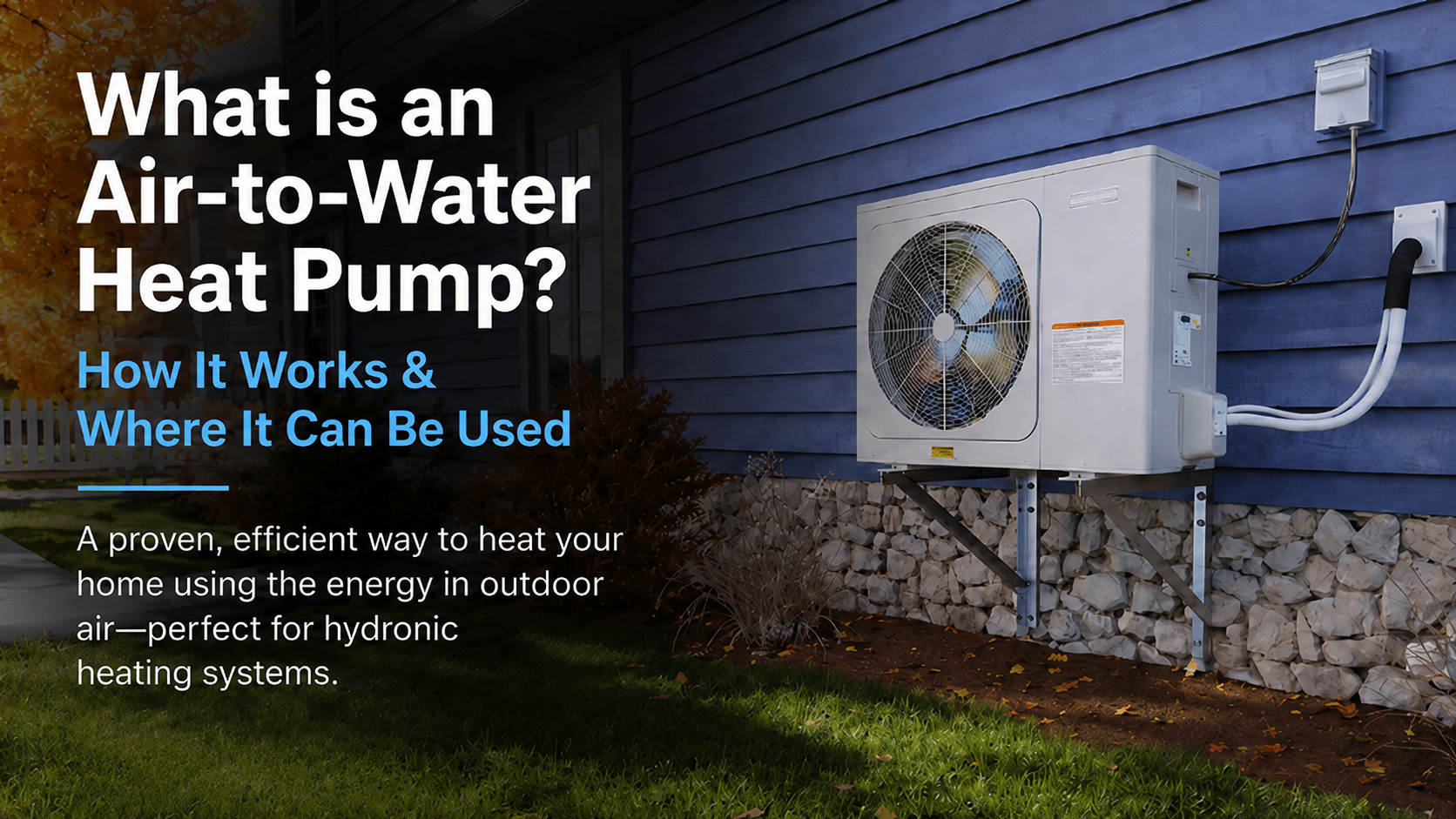
What Is an Air-to-Water Heat Pump? How It Works & Common Applications
Heat pumps have become one of the fastest-growing home heating technologies as more homeowners seek…
-
Natural Gas to Propane Boiler Conversion: What Contractors Need to Know
Why Fuel Type Matters in Boiler Combustion Weil-McLain boilers are designed to operate with specific…
-
Boiler Winter Maintenance Checklist
How to Get Your Boiler Ready for Cold Weather When temperatures begin to drop, your…