
Boiler Winter Maintenance Checklist
How to Get Your Boiler Ready for Cold Weather
When temperatures begin to drop, your boiler becomes one of the most important systems in your home. Taking a little time before the heating season begins can help identify potential problems early, support efficient operation, and make sure your system is ready to provide dependable comfort when you need it most.
Some winter boiler checks are simple for homeowners to perform, while maintenance and repairs should be left to a qualified heating professional. Use this boiler winter maintenance checklist to know what to look for, what may require attention, and when it is time to call a contractor.
Your Boiler Winter-Ready Checklist
1. Check the Boiler Pressure
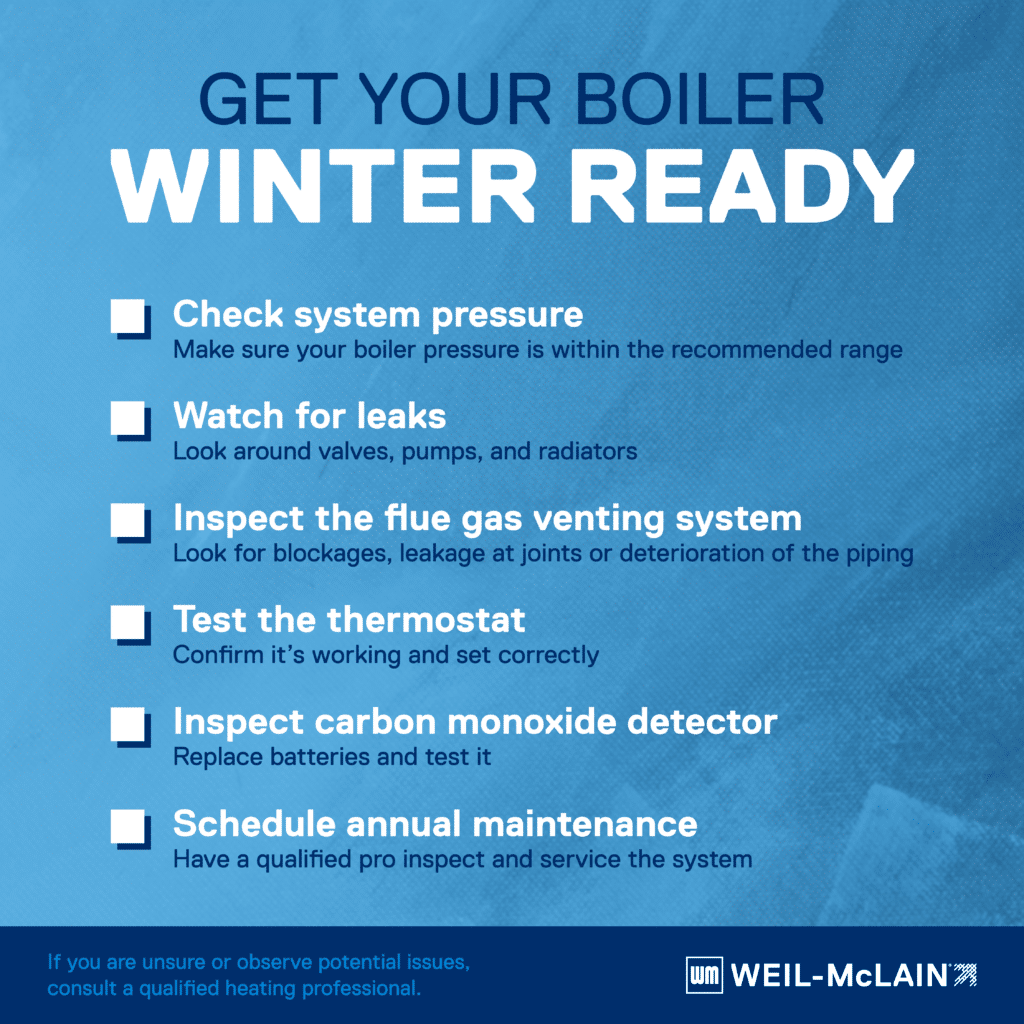
Start by looking at your boiler’s pressure gauge and confirming that the system pressure is within the recommended range for your specific equipment. Because operating requirements vary by system, consult your boiler’s owner’s manual rather than relying on a universal pressure setting.
Pay attention to significant changes as well. Pressure that is consistently dropping, rising too high, or fluctuating more than usual may indicate a problem within the heating system.
If the pressure does not appear normal or continually requires attention, contact a qualified heating professional rather than attempting to adjust system components yourself.
2. Look for Leaks or Signs of Deterioration
Take a few minutes to visually inspect the boiler and the surrounding heating system.
Look around accessible piping, valves, pumps, connections, radiators, and baseboards for water or other signs of leakage. You should also look for corrosion, staining, or deterioration that appears different from what you normally see.
A small amount of water may seem harmless, but recurring leakage can indicate a system issue that should be addressed before the boiler begins operating more frequently during winter.
3. Keep the Area Around Your Boiler Clear
Mechanical rooms and basements can easily become storage areas, especially during the warmer months. Before the heating season begins, make sure the area around your boiler is clear and accessible.
Remove boxes, bags, household items, and anything that could obstruct the equipment. Paint, solvents, cleaning products, gasoline, and other chemicals or combustible materials should not be stored near the boiler.
Keeping the area clear helps maintain proper access to the equipment and reduces the chance of stored items interfering with combustion air or routine service.
4. Visually Inspect Venting and Air Intake Piping
Your boiler’s venting and combustion air system play an important role in safe and reliable operation. Before winter, visually inspect any accessible vent and air intake piping.
Look for obvious blockages, loose or disconnected sections, leakage at joints, or deterioration in the piping. Where exterior terminations are accessible, make sure they have not become obstructed by leaves, debris, or other materials.
This should be a visual inspection only. If you notice signs of blockage, leakage, damage, or deterioration, contact a qualified heating professional.
5. Test Your Thermostat
You don’t want the first freezing night of the year to be the first time you discover that your thermostat or heating system isn’t responding properly.
Set your thermostat above the current room temperature and confirm that the heating system starts as expected. Give the system enough time to begin warming the home, then check whether your rooms or heating zones are responding normally.
For programmable or smart thermostats, review schedules that may have been changed during the summer. If your thermostat uses replaceable batteries, fall is also a good time to check them.
6. Check Your Radiators or Baseboards
Your home’s living spaces can tell you a lot about how your heating system is performing.
Once the boiler has been running, walk through the home and pay attention to the radiators, baseboards, radiant heating zones, or other hydronic emitters. Look for rooms that are not warming as expected, sections that remain noticeably cooler than others, unusual new noises, or visible leakage.
Uneven heating doesn’t necessarily mean there is a problem with the boiler itself. Air in the system, circulation problems, control issues, or other factors can affect heat distribution. A qualified heating professional can identify the cause and recommend the appropriate solution.
7. Check the Condensate Drain on High-Efficiency Boilers
If you have a high-efficiency condensing boiler, your system produces condensate as part of normal operation.
Visually inspect accessible condensate tubing and connections for signs of leakage, damage, or obvious blockage. The condensate drainage system plays an important role in proper boiler operation, so recurring drainage problems should be evaluated by a qualified technician.
Avoid disconnecting or modifying condensate components unless instructed to do so by a heating professional.
8. Test Your Carbon Monoxide Detectors
Carbon monoxide detectors are an important safety measure in homes with fuel-burning appliances.
Test detectors according to the manufacturer’s instructions and replace batteries or the detector itself as recommended. Make sure detectors are installed in appropriate locations throughout the home.
Never ignore a carbon monoxide alarm. Leave the home and follow the detector manufacturer’s emergency guidance and local safety recommendations.
Start Your Boiler Before the First Really Cold Day
One of the simplest things you can do to prepare for winter is to run your heating system before you depend on it every day.
Turn the thermostat up and give the boiler time to operate. Confirm that it starts normally, your thermostat responds, and heat reaches the areas of the home as expected. Listen for sounds that seem different from normal operation and check the boiler display for alerts or error messages.
Testing your system early gives you time to contact a contractor if something doesn’t seem right. It’s much easier to address a developing issue before temperatures fall than after your home is already without heat.
Signs Your Boiler May Need Professional Attention
You know how your heating system normally sounds and performs. Changes in operation are often worth having checked before winter places greater demand on the equipment.
Contact a qualified heating professional if you notice:
- Boiler pressure that repeatedly rises or falls outside its normal range
- Water around the boiler, piping, pumps, radiators, or baseboards
- New banging, gurgling, or other unusual noises
- Rooms or heating zones that are no longer warming properly
- Frequent boiler shutdowns, lockouts, or error codes
- Difficulty maintaining the thermostat setting
- A noticeable change in heating costs without an obvious explanation
These symptoms don’t necessarily mean your boiler needs to be replaced. They do indicate that the system should be evaluated so the underlying cause can be identified.
What Happens During Annual Boiler Maintenance?
A homeowner winter check is helpful, but it doesn’t replace annual professional boiler maintenance.
The exact maintenance requirements depend on your boiler model and heating system. A qualified technician may inspect and clean heating components, check venting and combustion air piping, inspect electrical and piping connections, evaluate safety and operating controls, inspect the condensate system on condensing boilers, and confirm that the boiler starts and operates properly.
Regular service also gives your contractor an opportunity to identify worn components or developing issues before they become larger repairs.
For a deeper look at professional maintenance, read our Guide to Maintaining High-Efficiency Boilers.
When Should You Schedule Boiler Maintenance?
Ideally, schedule your annual boiler service before the heating season is fully underway. Late summer or early fall gives you time to address any recommended repairs before the boiler begins operating every day.
If winter has already arrived and your system hasn’t been serviced recently, it’s still worth scheduling maintenance. There’s no need to wait until the following heating season.
Creating a regular annual service routine can help support your boiler’s efficiency, reliability, and long-term performance.
Get Ready for a More Comfortable Winter
A few simple checks can go a long way toward helping your heating system get ready for winter. Pay attention to how your boiler looks, sounds, and performs, and don’t wait to address changes that could signal a developing problem.
For maintenance, adjustments, or repairs, work with a qualified professional who understands your specific heating system. Find an experienced heating contractor near you and make sure your home is ready for reliable comfort all season long.
-
What Is an Air-to-Water Heat Pump? How It Works & Common Applications
Heat pumps have become one of the fastest-growing home heating technologies as more homeowners seek…
-
Natural Gas to Propane Boiler Conversion: What Contractors Need to Know
Why Fuel Type Matters in Boiler Combustion Weil-McLain boilers are designed to operate with specific…
-
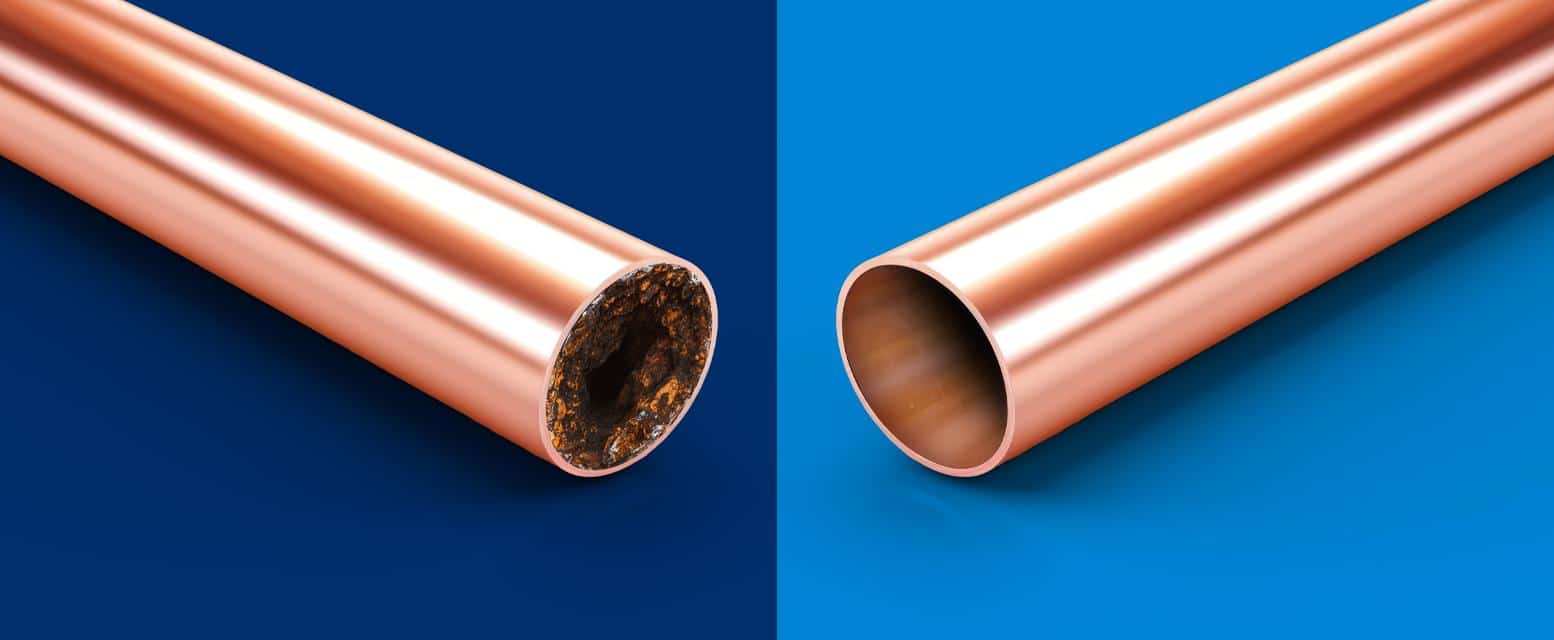
Why Flushing Your Heating System Is Critical Before Boiler Installation
When it’s time to install a new boiler—whether in a replacement scenario or new construction—one…