Home Products ECO Hybrid Heat Pump System
Share this page
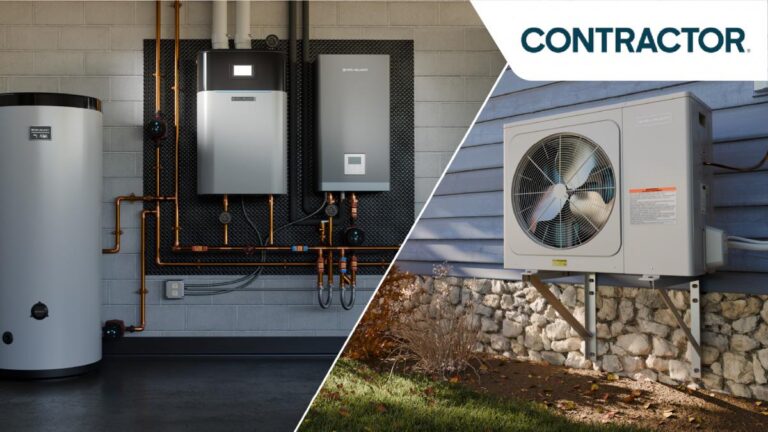
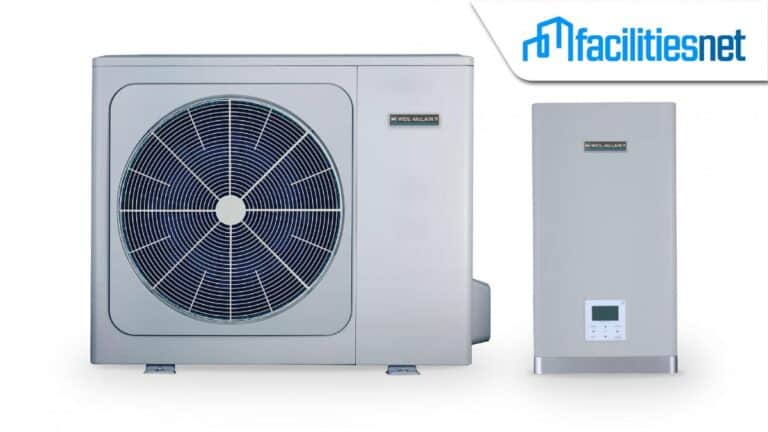
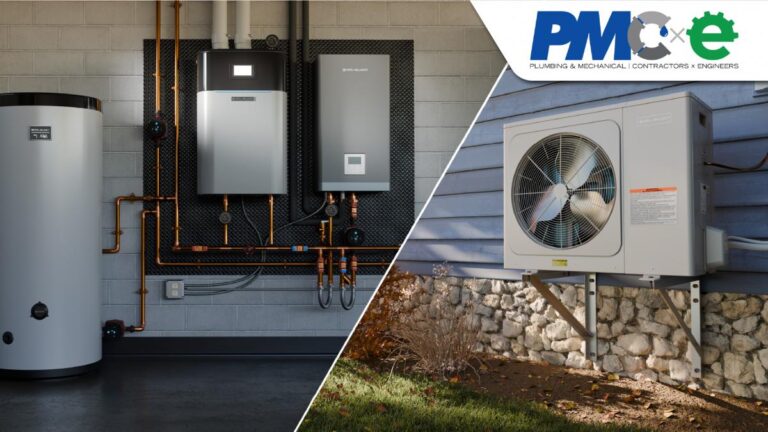
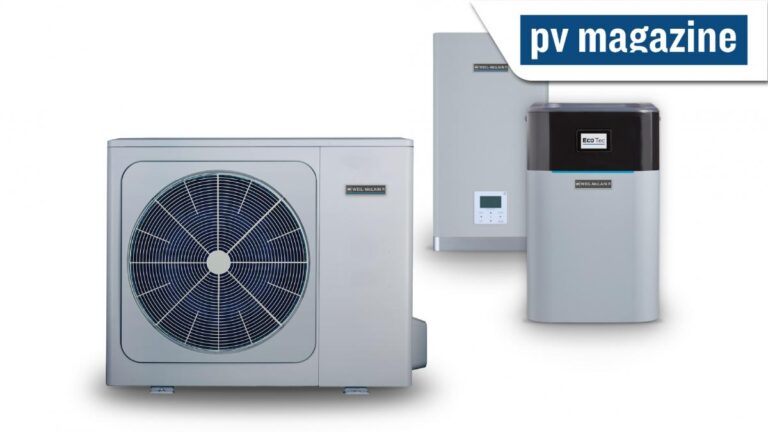
Integrating an air-to-water heat pump within a boiler hydronic heating system

ECO® Hybrid Dual Fuel Hydronic System
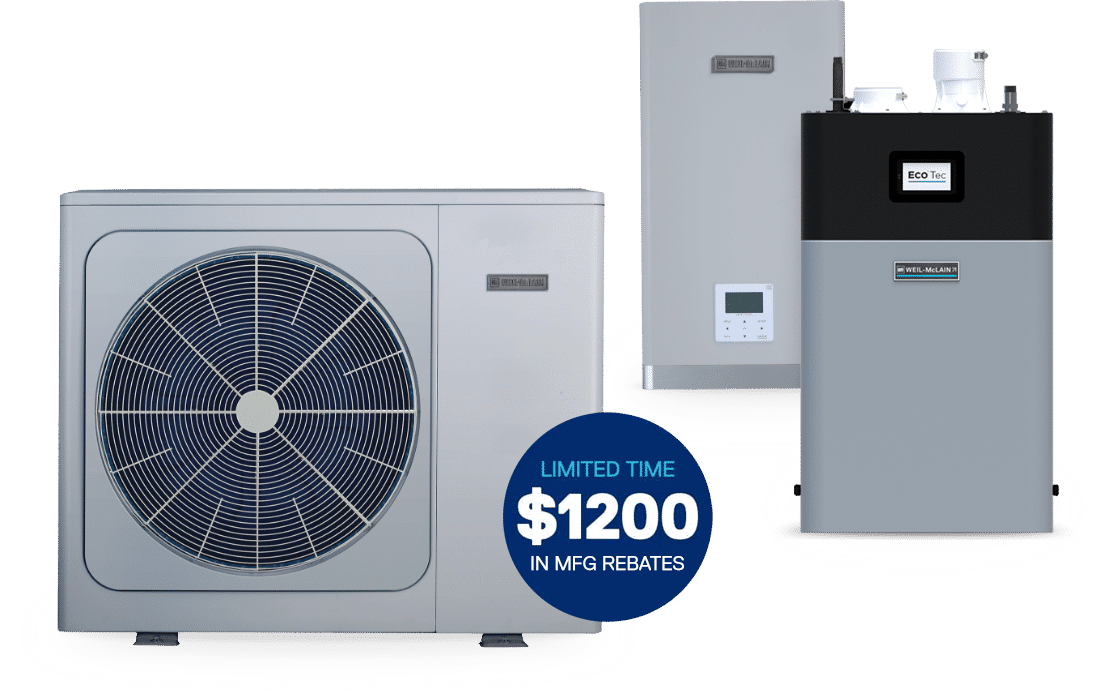
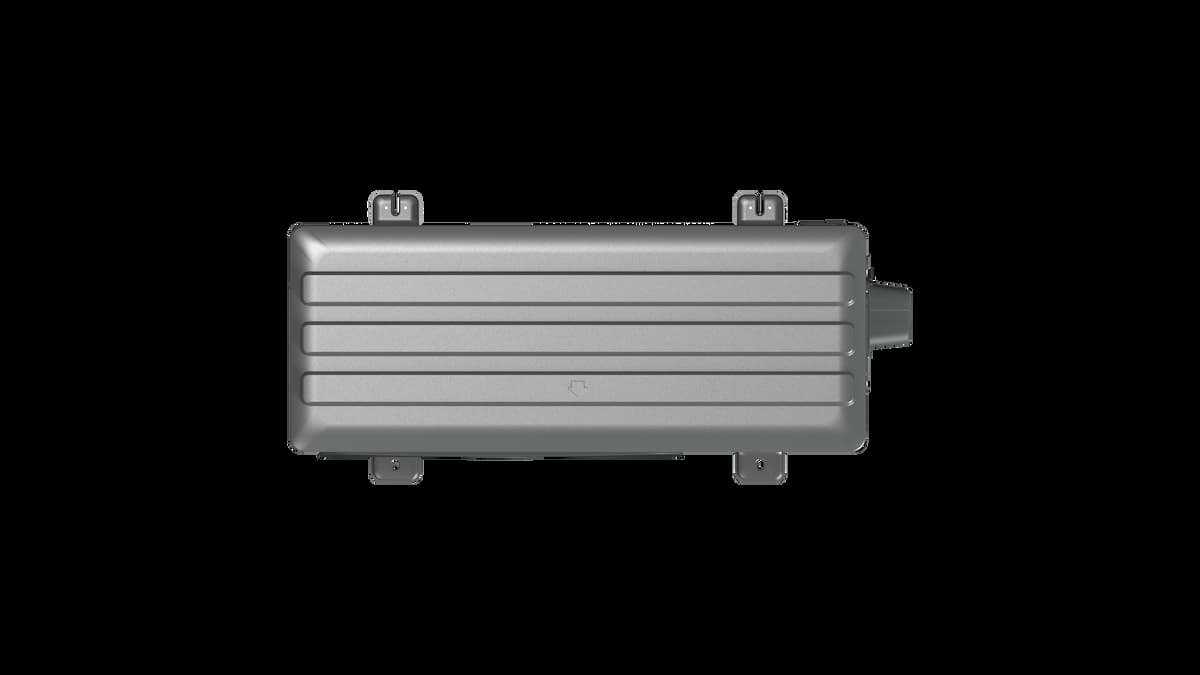
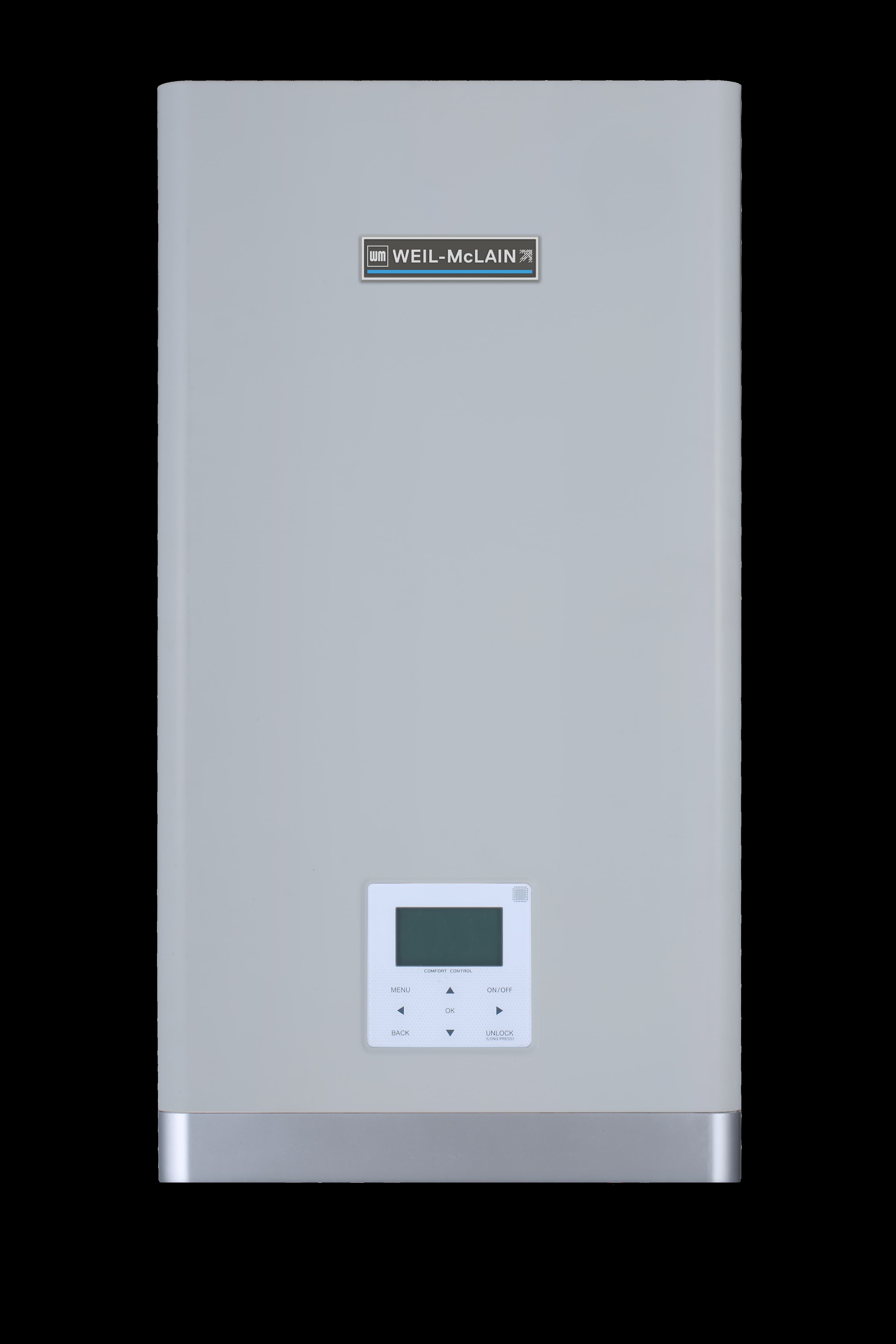
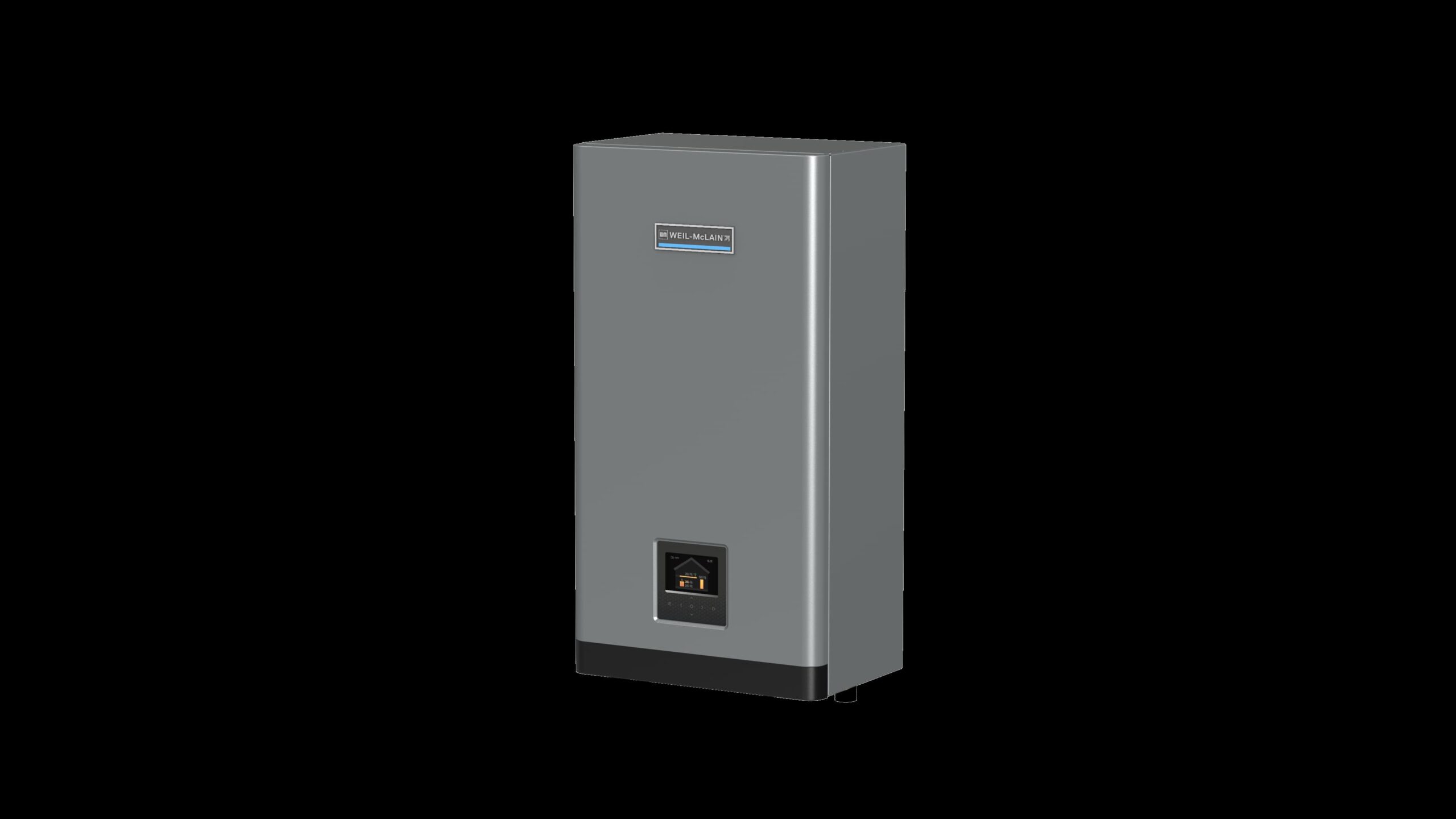
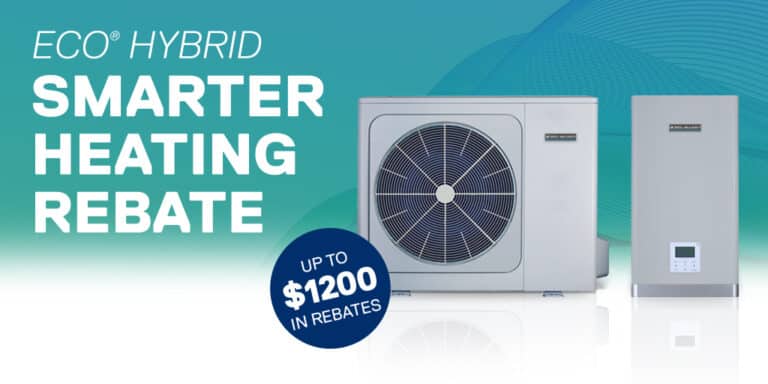
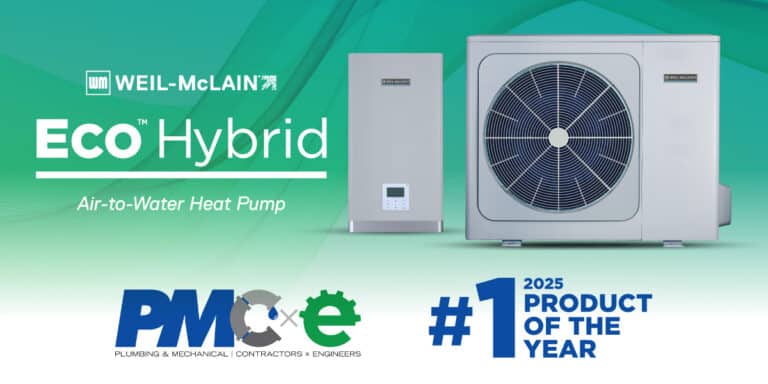
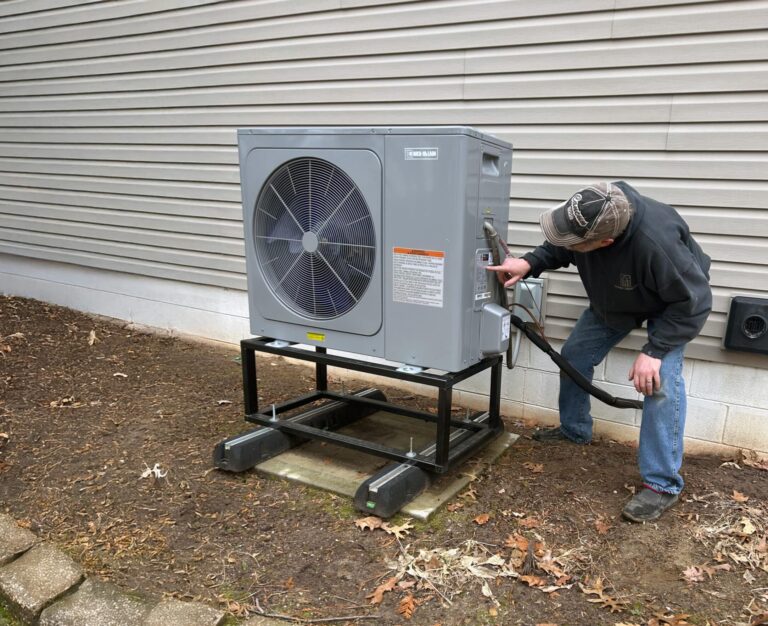
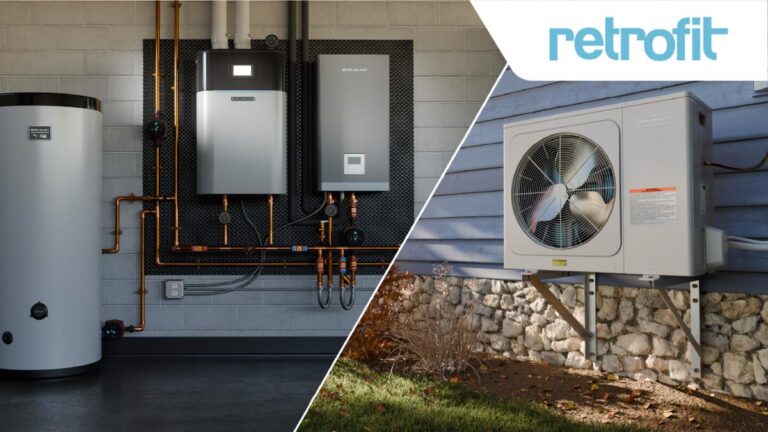
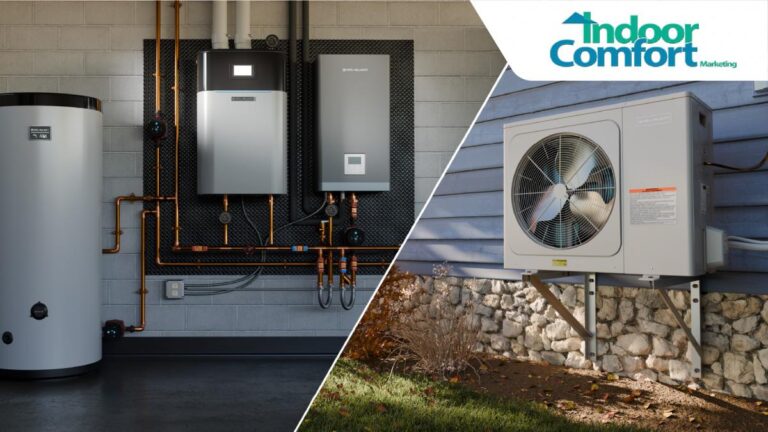
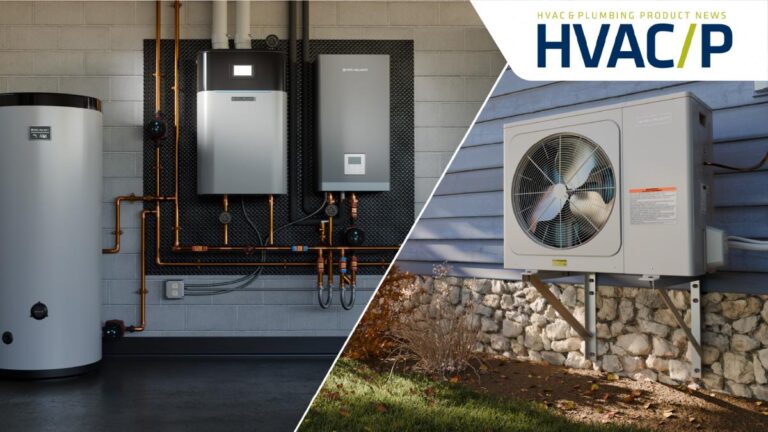
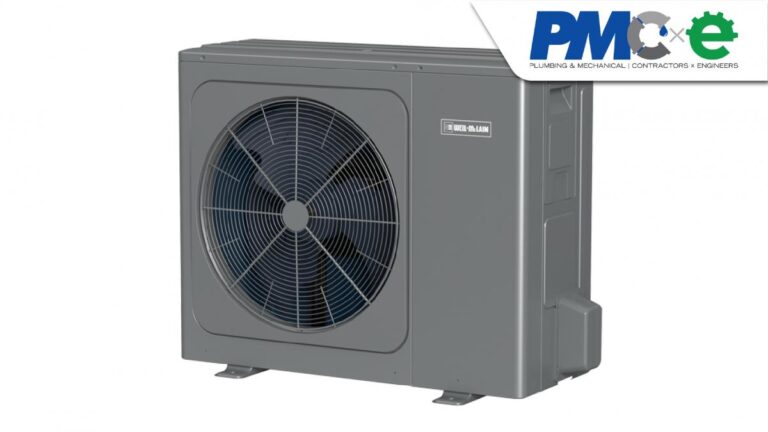
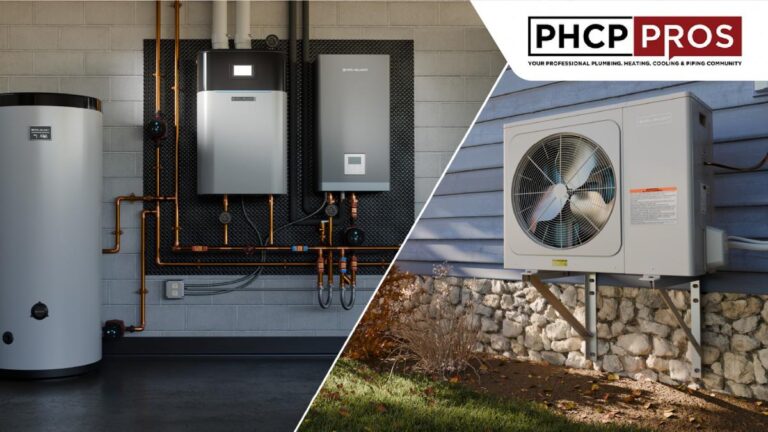
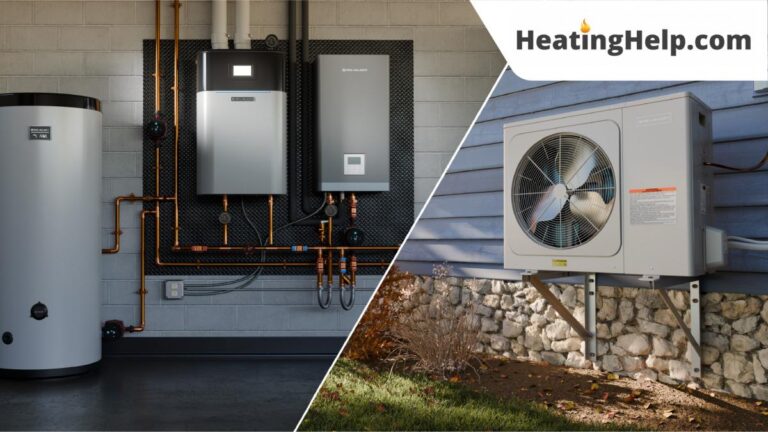
The New ECO Hybrid is a dual-fuel hydronic system that integrates our ECO HP air-to-water heat pump with a high-efficiency boiler, providing optimal heating performance. It automatically switches between the heat pump and boiler based on outdoor temperatures to maximize energy efficiency and comfort. Ideal for retrofits and new installations, the ECO HP helps homeowners reduce their carbon footprint and may reduce energy costs while maintaining reliable heat.
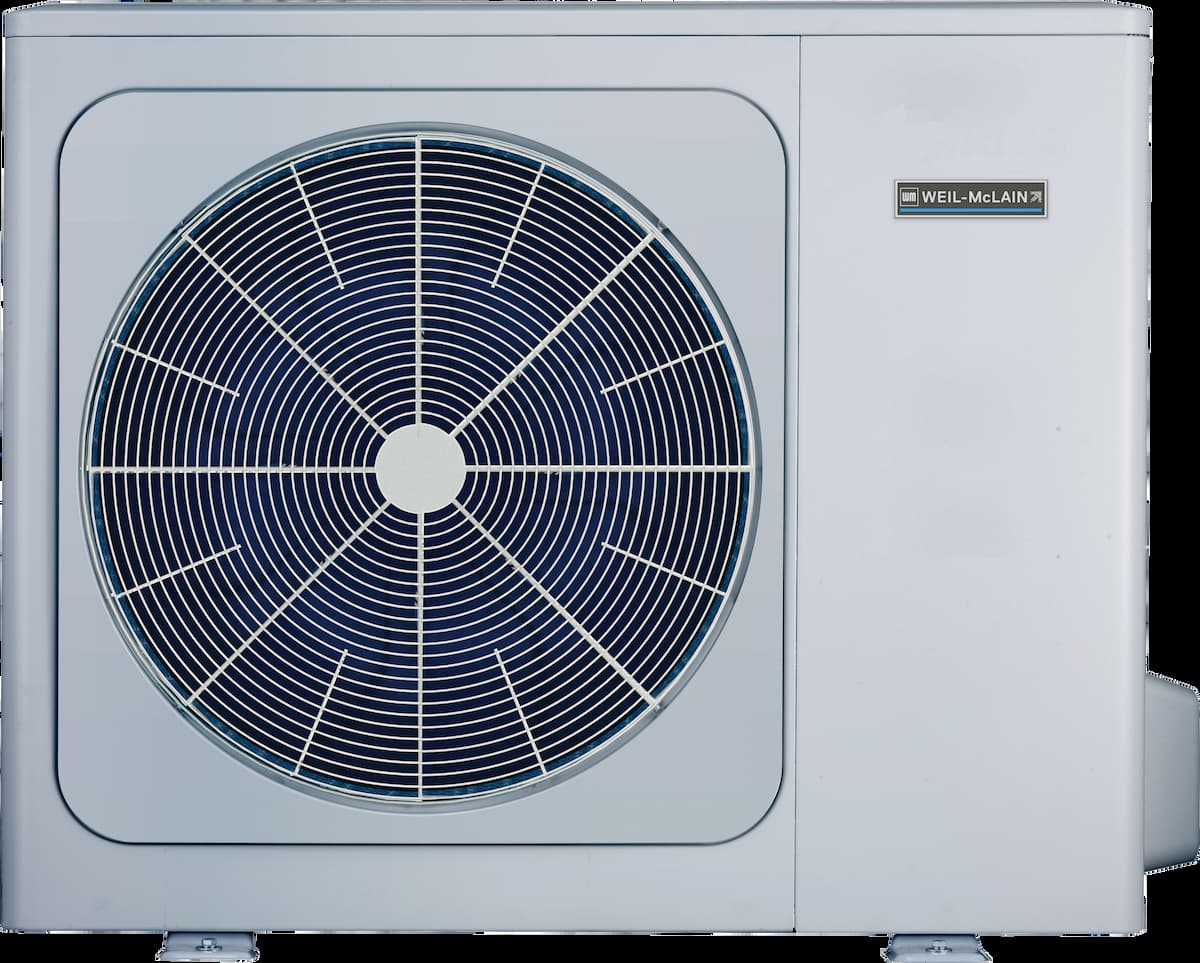
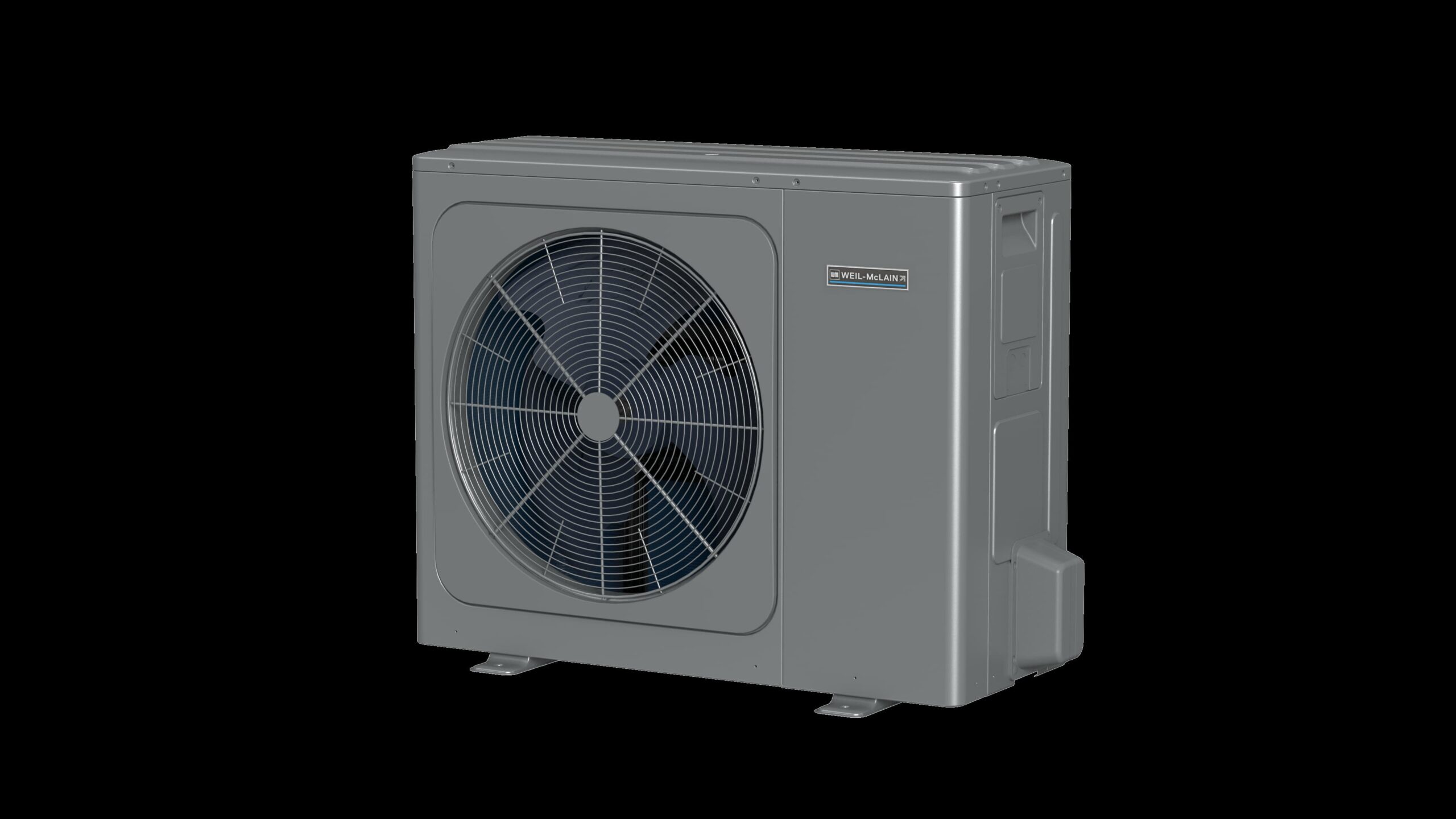
Upgrade to an ECO Hybrid System and Save Big

Save more when you choose an ECO Hybrid Dual Fuel Hydronic System. For a limited time, homeowners can receive $1,000 in rebates on qualifying ECO HP Air-to-Water Heat Pump Systems, while participating contractors earn a $200 incentive for every eligible installation. It’s a smart time to upgrade to efficient, year-round comfort.
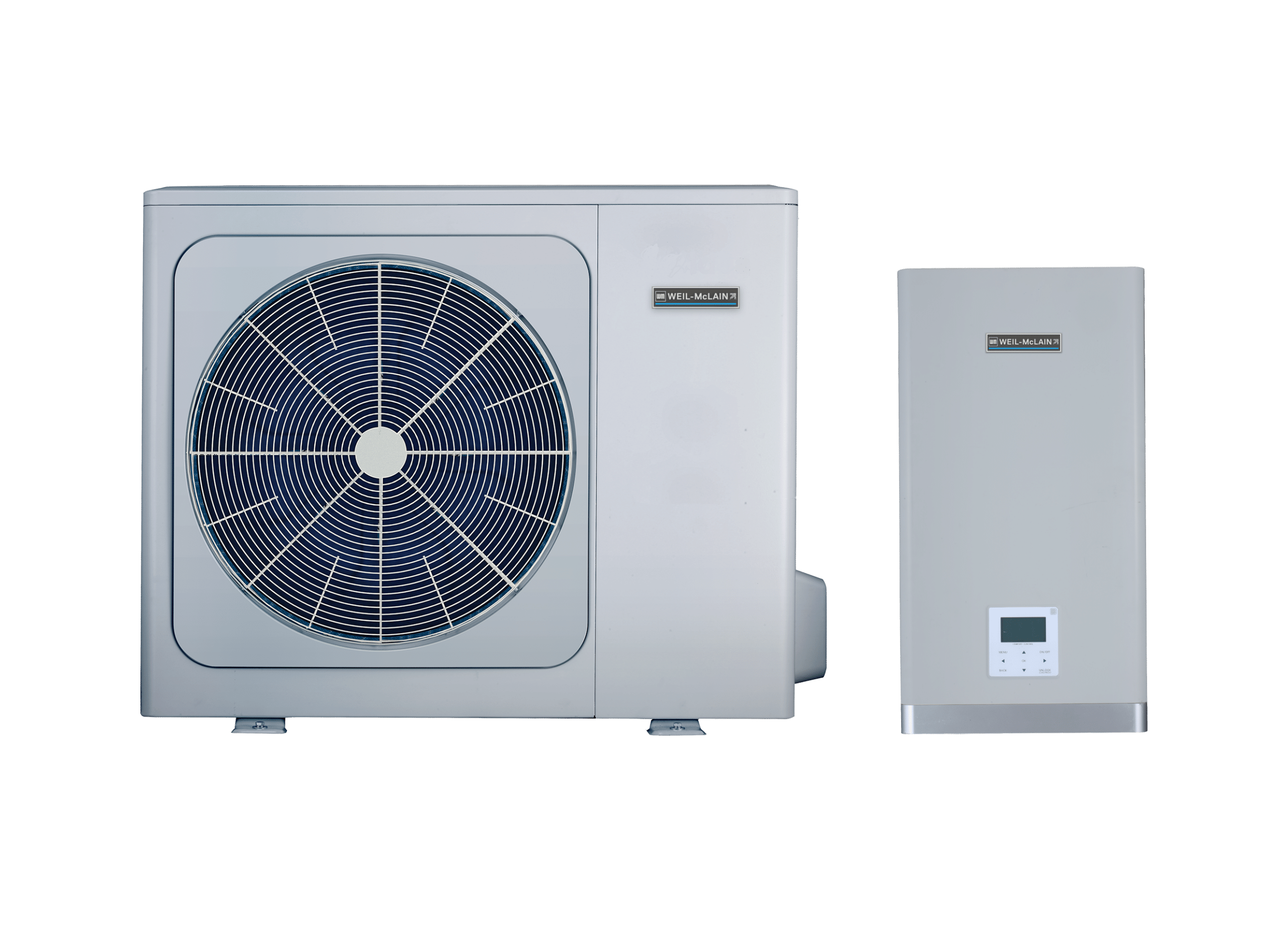

Features


Highly Efficient

Achieves efficiencies up to 5.37 COP for optimal savings

Eco-friendly Refrigerant

Heat pump uses R32 refrigerant for improved sustainability

Flexible Applications

Use for radiant heating and domestic hot water

Installation Ready

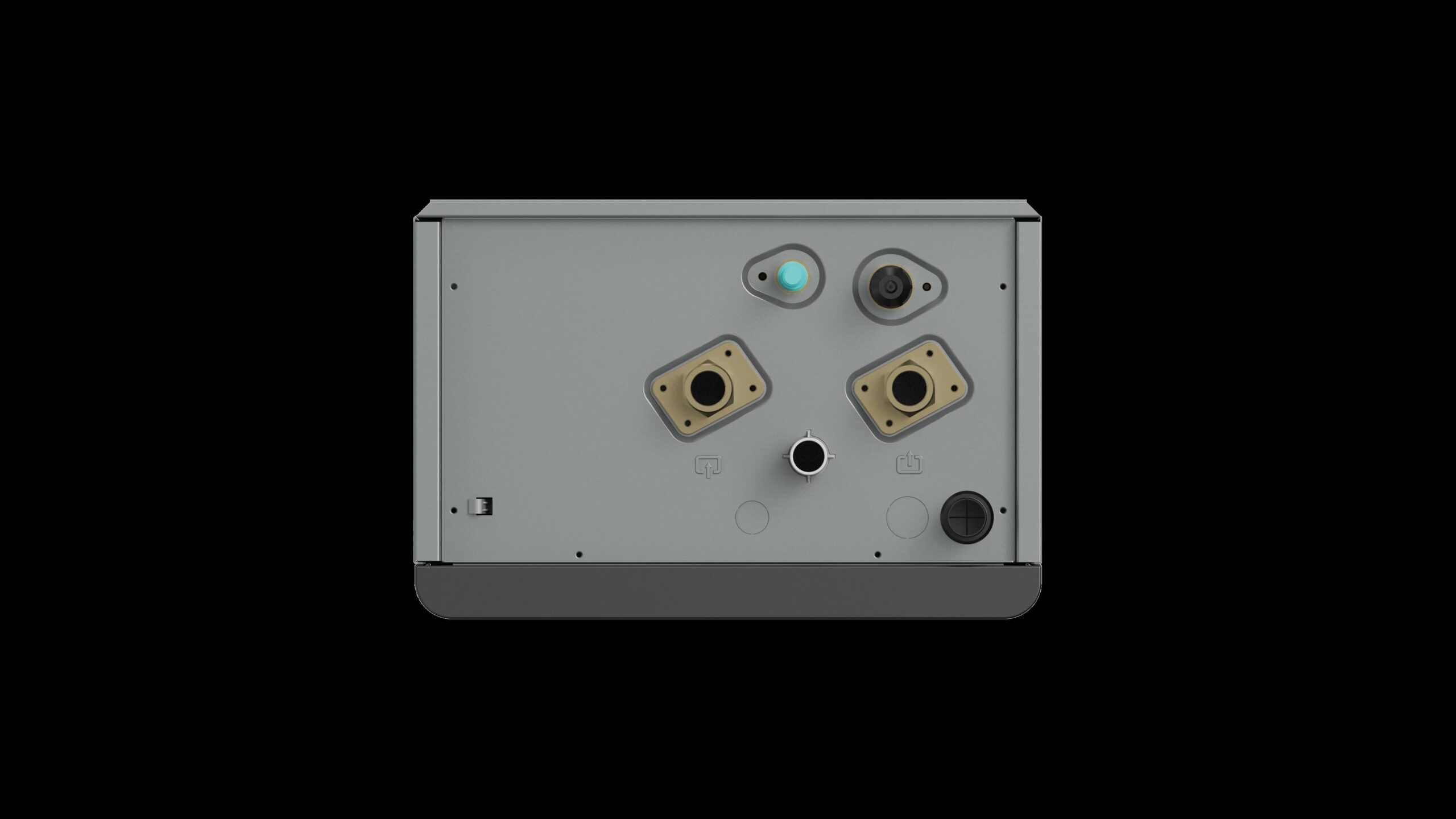
Easy-Up manifold included and accessory kit available

Optimal Design

Low decibel, quiet operation plus compact design

Cost Savings

Minimal maintenance, rebates and tax credits available in some areas


See it in action


FAQ


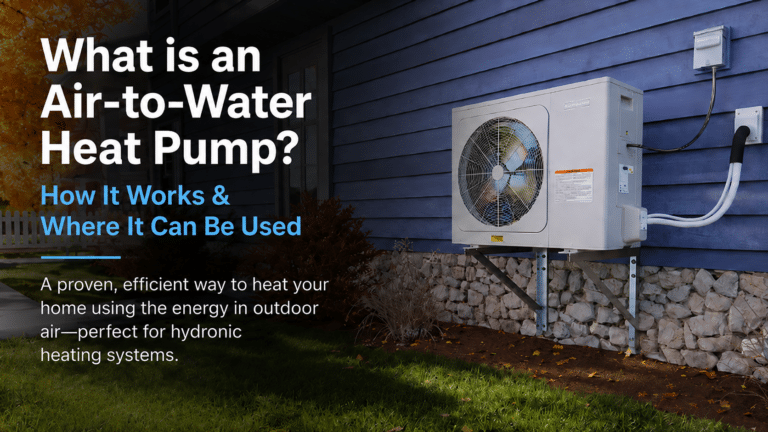
An air-to-water heat pump transfers heat from outdoor air into water that is circulated throughout your home’s heating system. Unlike traditional forced-air heat pumps and mini splits that heat air directly, air-to-water systems work with hydronic applications such as radiant floor heating, baseboards, fan coils, and domestic hot water systems. Because they transfer heat rather than generate it through combustion, they can operate very efficiently under the right conditions. Air-to-water heat pumps are becoming increasingly popular among homeowners looking to reduce energy consumption while maintaining the comfort of hydronic heating. They can also be integrated with existing boilers as part of a dual fuel heating system.

An air-to-water heat pump uses a refrigeration cycle to capture thermal energy from outdoor air and transfer it into water. That heated water is then distributed throughout the home to provide space heating and, in some systems, domestic hot water. Even during colder weather, outdoor air contains usable heat that the system can extract. Because the system moves heat rather than creates it, it can deliver more heat energy than the electricity it consumes. When paired with a boiler, the system can automatically optimize performance based on outdoor conditions and heating demand.

In a hybrid system, the air-to-water heat pump and boiler work together to provide efficient, reliable comfort throughout the year. The heat pump serves as the primary heating source for most of the season, efficiently handling the majority of the home’s heating load. As outdoor temperatures drop, the system automatically transitions to the boiler when it becomes the more effective heating source. This approach helps maximize energy savings while ensuring homeowners have dependable heat during extreme winter conditions. By allowing each system to operate when it performs best, a hybrid design can improve efficiency, comfort, and overall system longevity.

A hybrid heating system combines two heating technologies that work together to optimize comfort, efficiency, and operating costs. In the case of Weil-McLain ECO Hybrid, an air-to-water heat pump is paired with a fossil-fuel fired boiler to create a flexible heating solution. The system automatically determines which heat source is best suited for current weather conditions and heating demand. This allows homeowners to take advantage of the efficiency of a heat pump while maintaining the performance and reliability of a boiler when temperatures become extremely cold. Hybrid systems can be particularly beneficial in northern climates where heating demands vary significantly throughout the year.

Modern air-to-water heat pumps can operate effectively in cold climates, but performance varies based on outdoor temperatures and system design. As temperatures drop, heat pumps must work harder to extract heat from the air, which can reduce efficiency. That’s why many homeowners in colder regions choose a hybrid approach that incorporates a boiler for supplemental heating during the coldest periods. This combination allows the heat pump to handle much of the heating season while the boiler provides additional capacity when needed. The result is a system designed to deliver both efficiency and comfort throughout winter.

An ECO Hybrid system may be a good fit for homeowners who want to reduce fuel consumption without sacrificing comfort or reliability. It can be particularly attractive for homes that already use hydronic heating systems such as radiant floors, baseboards, or boilers. Homeowners in colder climates who are interested in heat pump technology but have concerns about winter performance may also benefit from a hybrid approach. Those with oil, propane, or older heating systems often see opportunities to improve efficiency while maintaining dependable heat. A qualified contractor can evaluate whether a hybrid system aligns with your home’s heating needs and existing infrastructure.

Yes. Depending on the system configuration, ECO Hybrid can be designed to support both space heating and domestic hot water production. Combining these functions into a single integrated system can improve overall efficiency and reduce the need for separate equipment. Domestic hot water capabilities will vary based on system design, household demand, and installation requirements. Homeowners should work with their contractor to determine the best configuration for their needs. An integrated approach can help maximize the value of the system while simplifying home comfort management.

Energy savings depend on factors such as climate, fuel costs, home insulation, and the existing heating system. In many applications, an air-to-water heat pump can handle a significant portion of annual heating demand more efficiently than traditional heating equipment. By allowing the heat pump to operate during favorable conditions and the boiler to operate during colder periods, a hybrid system can help reduce overall energy consumption. Some homeowners may see substantial reductions in fuel use, particularly when upgrading from older or less efficient equipment. Your local Weil-McLain contractor can provide a more accurate estimate based on your home’s specific conditions.

Many heat pump and high-efficiency heating projects may qualify for federal, state, local, or utility-sponsored incentive programs. Eligibility and incentive amounts vary based on location, equipment specifications, and program requirements. These incentives can help offset upfront installation costs and improve the overall return on investment. Because programs change frequently, homeowners should verify current opportunities before making a purchase decision. A Weil-McLain contractor can often help identify available rebates and incentives in your area.

In many cases, yes. One of the advantages of a hybrid heating approach is that an air-to-water heat pump can often be integrated with an existing boiler rather than requiring a complete system replacement. This allows homeowners to improve efficiency and reduce fuel consumption while continuing to utilize equipment that still has useful service life remaining. Retrofitting a heat pump alongside an existing boiler can also reduce upfront costs compared to a full heating system replacement. A contractor can evaluate your current equipment and determine whether it is compatible with a hybrid upgrade.

The lifespan of an air-to-water heat pump depends on factors such as climate, usage patterns, installation quality, and maintenance. Many systems can provide reliable performance for 10 to 20 years when properly maintained. Routine inspections and preventative maintenance can help identify small issues before they become larger problems. Because hybrid systems share heating demand between multiple components, they may reduce wear on individual pieces of equipment. Choosing quality equipment and working with experienced installers can help maximize long-term performance.

Regular maintenance helps ensure efficient operation and reliable performance. Homeowners should keep outdoor units free from leaves, debris, and obstructions that could restrict airflow. Periodic inspections by a qualified technician can help identify issues with refrigerant levels, pumps, controls, and other system components. Hydronic systems may also require maintenance related to water circulation and system pressure. Following manufacturer recommendations and scheduling routine service can help extend equipment life and maintain peak efficiency.


Technical Specs


ModelNominal Capacity* (MBH)COP @ NominalInput @ Nominal (kW)Max Capacity (MBH)Max Input (kW)Min Capacity (MBH)Min Input (kW)Outdoor Temp (Deg °F)Heating Supply Temp (Deg °F)
ECOHP-4141.24.952.4451.13.1921.11.21-13 – 10977 – 149
ECOHP-4849.54.73.0956.03.6621.11.21-13 – 10977 – 149
ECOHP-5554.64.53.5659.33.9321.11.21-13 – 10977 – 149

*44.6° F outdoor temperature, 95° F water outlet temperature

Flow

3.1 – 13.2 GPM

Pressure Drop @ 12.1 GPM

9 FT

Piping Connections

1 Inch

Type

R-32

Factory Charge

4.04 LBS

Max Pre-Charged Pipe Length

49.2 FT

Additional Charge

0.41 OZ/FT

Liquid Line Connection

3/8 IN

Gas Line Connection

5/8 In

Compressor Type

Twin Rotary

ODU Power

208–230/1/6 V/Ph/Hz

Compressor RLA

26 A

ODU Fan FLA

1.3 A

ODU MCA

34 A

ODU MOP

50 A

IDU Power

110-120/1/60 V/Ph/Hz

IDU MCA

1.5 A

IDU MOP

15 A

IDU Net

69 LBS

IDU Shipping

78 LBS

ODU Net

212 LBS

ODU Shipping

255 LBS


In the news


Request Information


More High Efficiency Boilers


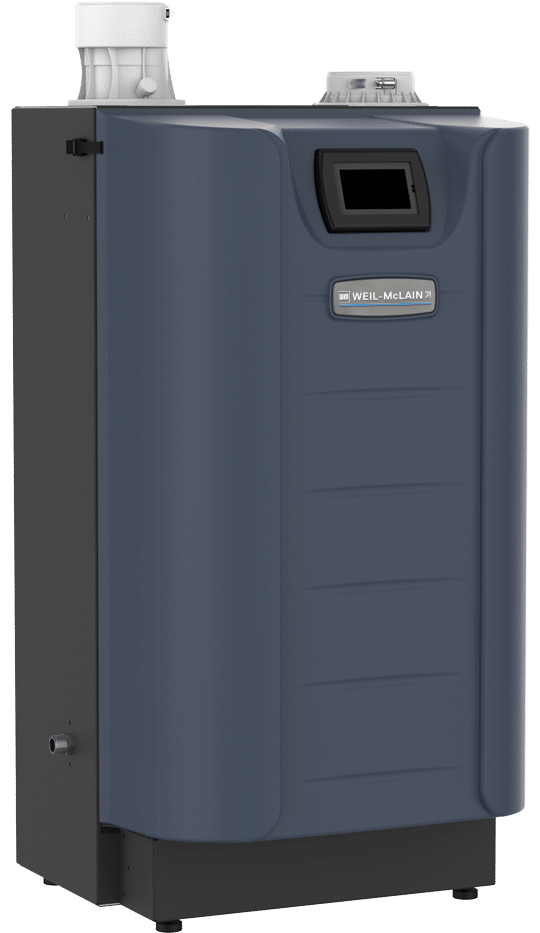
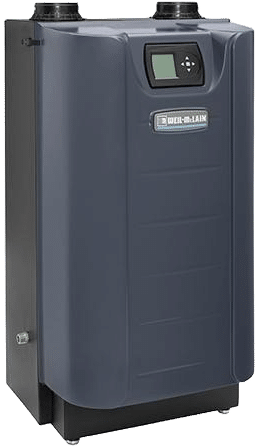
  • EG Series 6 Gas Boiler

    EG Series 7 Gas Boiler

    Learn More
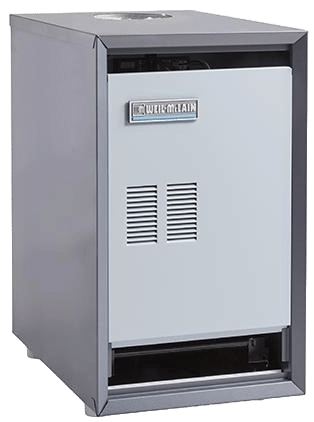
  • CGa Gas Boiler Series 3

    CGa Gas Boiler Series 4

    Learn More
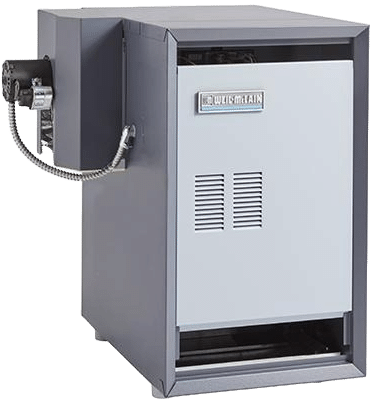
  • CGi Gas Boiler Series 4

    CGi Gas Boiler Series 5

    Learn More
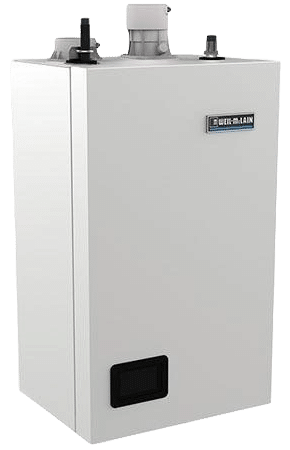
  • Simplicity Gas Combi Boiler

    Simplicity Gas Combi Boiler

    Learn More
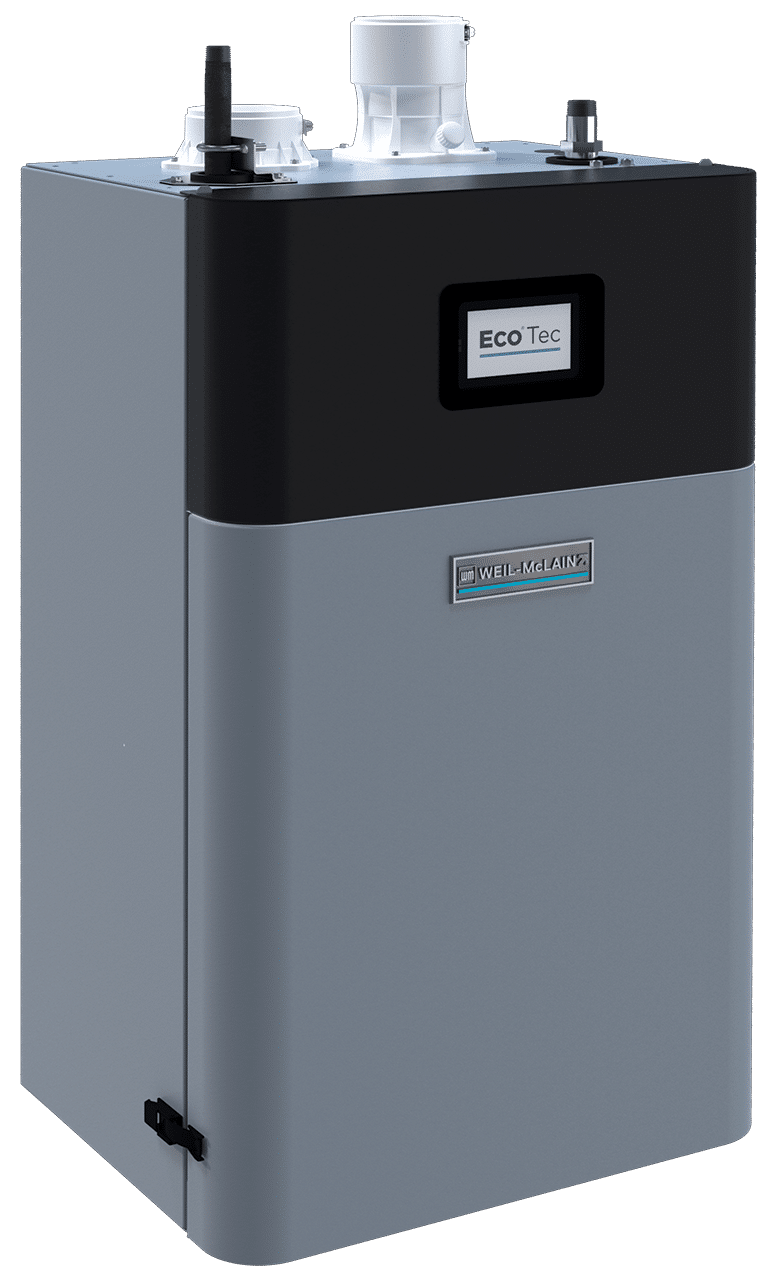
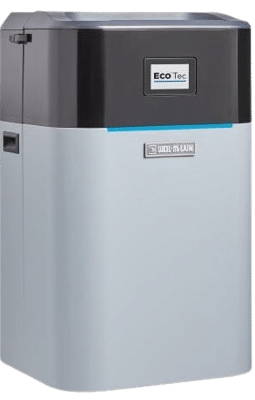
  • ECO Tec residential gas boiler

    ECO Tec Gas Boiler

    Learn More
  • Evergreen High Efficiency Gas Boiler

    Evergreen Pro Gas Boiler

    Learn More
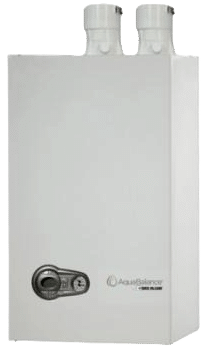
  • AquaBalance Series 2 High-Efficiency Gas Water Boiler

    AquaBalance Series 2

    Learn More
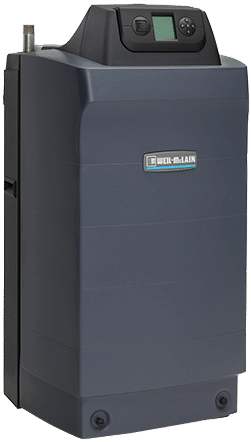
  • Ultra S4 Residential Gas Water Boiler

    Ultra Gas Boiler Series 4

    Learn More
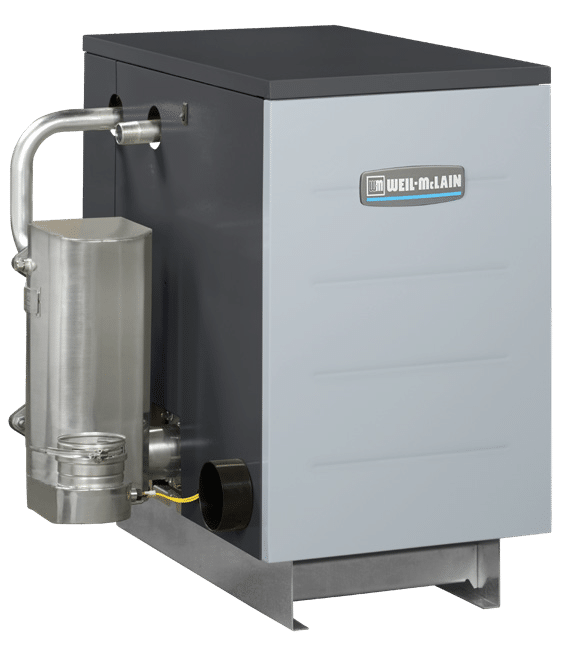
  • GV90+ Gas Boiler

    Learn More
  • EG Series 6 Gas Boiler

    EG Series 6 Gas Boiler

    Learn More
  • WTGO Series 4 Oil-Fired Water Boiler

    WTGO Series 4 Oil-Fired Water Boiler

    Learn More
  • WGO Series 4 Oil-Fired Water Boiler

    WGO Series 4 Oil-Fired Water Boiler

    Learn More
  • SGO Series 4 Oil-Fired Steam Boiler

    SGO Series 4 Oil-Fired Steam Boiler

    Learn More
  • Ultra Oil Boiler

    Ultra Oil Boiler

    Learn More